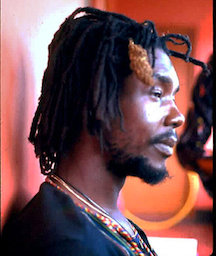
Born Winston Hubert McIntosh in 1944 in Westmoreland, Jamaica, Peter Tosh was deeply influenced by his mother, who ensured he had a Christian upbringing. This foundation led him to attend church daily, where he sang in the choir and learned to play the organ, laying the groundwork for his musical journey. At 16, Tosh moved to Trench Town, a Kingston slum notorious for its challenging living conditions. Despite the hardships, this environment became a crucible for his musical ambitions.
In Trench Town, Tosh immersed himself in the vibrant musical culture, drawing inspiration from R&B and doo-wop tunes broadcast from U.S. radio stations. His expressive baritone and burgeoning guitar skills caught the attention of local musicians. It was here that he formed a bond with Bob Marley and Neville “Bunny” Livingstone. This trio, sharing a passion for music and a vision for social change, laid the foundation for what would become the Wailers. Their collaboration marked the beginning of a movement that would bring reggae to the global stage.
The formation of the Wailers in the early 1960s was a pivotal moment in reggae history. Their debut hit, "Simmer Down," released in 1964, showcased their unique blend of American soul, gospel, and the emerging reggae sound. As the political climate of the 1960s intensified, the Wailers infused their music with socially conscious lyrics, reflecting the teachings of Rastafari and addressing issues of inequality and injustice.
Tosh's role in the Wailers was multifaceted. As the band's most accomplished musician, he played guitar, keyboards, and percussion, significantly shaping their sound. His songwriting offered a militant perspective, providing a counterbalance to Marley's more soothing tones. This dynamic enriched their music, making it both thought-provoking and universally appealing. Together, they pioneered a new musical direction, slowing down the tempo of ska and rocksteady to create the distinctive rhythm of reggae.
In 1976, Tosh embarked on a solo career, releasing his debut album, "Legalize It," under CBS Records. The title track became an anthem for marijuana legalization advocates, reggae enthusiasts, and Rastafarians worldwide. Its bold stance and catchy rhythm made it a staple at Tosh's concerts and solidified his position as a formidable solo artist.
Following this success, Tosh formed the backing band Word, Sound, and Power to accompany him on tours and in the studio. His subsequent albums, including "Equal Rights" (1977) and "Bush Doctor" (1978), the latter released under the Rolling Stones' label, featured collaborations with Mick Jagger and Keith Richards. These partnerships introduced Tosh to a broader audience, further elevating his international profile.
Peter Tosh's work championed freedom and the fight against injustice. He emphasized the connection between music and revolution, famously wielding a guitar shaped like an M16 rifle. Despite facing persecution, including beatings and imprisonment by Jamaican authorities, Tosh remained steadfast in his convictions. His resilience and unwavering commitment to his beliefs left an indelible mark on the world.
Beyond his activism, Tosh's charisma and showmanship endeared him to fans. An accomplished unicyclist, he often delighted audiences by riding onstage, adding a unique flair to his performances. His legacy continues to inspire musicians and activists alike, cementing his place as a revolutionary figure in reggae music and beyond.
Peter Tosh:
A Legacy of Music and Activism
1944
October 19: Winston Hubert McIntosh, later known as Peter Tosh, is born in Grange Hill, Westmoreland Parish, Jamaica.
1962
Meets Bob Marley and Bunny Wailer in Kingston; they begin collaborating musically.
1963
Forms the Wailing Wailers with Marley and Wailer; releases debut single "Simmer Down," which becomes a hit in Jamaica.
1973
The Wailers release the albums Catch a Fire and Burnin', gaining international recognition.
1974
Departs from the Wailers to pursue a solo career.
1976
June 1976: Releases debut solo album Legalize It, advocating for the legalization of marijuana.
1977
May 1977: Releases Equal Rights, featuring tracks like "Get Up, Stand Up" and "Stepping Razor."
1978
November 1978: Signs with Rolling Stones Records and releases Bush Doctor, collaborating with Mick Jagger and Keith Richards.
1979
December 1979: Releases Mystic Man, continuing his mix of political and spiritual themes.
1981
May 1981: Releases Wanted Dread & Alive, blending reggae with rock influences.
1983
June 1983: Releases Mama Africa, featuring "Glass House" and "Johnny B Goode."
1987
August 1987: Releases No Nuclear War, his final studio album, advocating for peace and nuclear disarmament. Wins Grammy Award for Best Reggae Performance for No Nuclear War. September 11: Passes away in Kingston, Jamaica.
1993
The documentary Stepping Razor: Red X is released, chronicling Tosh's life and music.
2012
Posthumously awarded Jamaica's Order of Merit for his contributions to music and culture.
2015
April 20: International Peter Tosh Day is founded, recognizing his influence on music, activism, and cannabis legalization.
2016
October 19: The Peter Tosh Museum opens in Kingston, commemorating his legacy.
2019
A blue plaque is unveiled in London at the former site of Basing Street Studios, honoring Tosh, Bob Marley, and Bunny Wailer.
2023
Posthumously bestowed with the Order of the Companions of O. R. Tambo, recognizing his contributions to the fight against apartheid.
2024
October 11: In celebration of Peter Tosh's 80th birthday, the Peter Tosh Foundation re-releases his iconic album Mama Africa on limited edition recycled red vinyl. October 19: The inaugural Tosh Fest is held in Belmont-Bluefields, Jamaica, featuring a series of events honoring Tosh's legacy.
2026
October 17: The Peter Tosh Foundation hosts the Peter Tosh Earthstrong Celebration at Woodstock Cafe in Negril, marking 50 years of Legalize It.